Stormwater Management
Why It Matters and How Modern Solutions Are Changing the Game
As communities grow and weather patterns become more unpredictable, stormwater management has shifted from a background utility to a critical part of resilient infrastructure.
Cities, developers, and engineers are facing increasing pressure to control runoff, prevent flooding, and protect local waterways—all while working within tighter space constraints and stricter regulatory requirements.

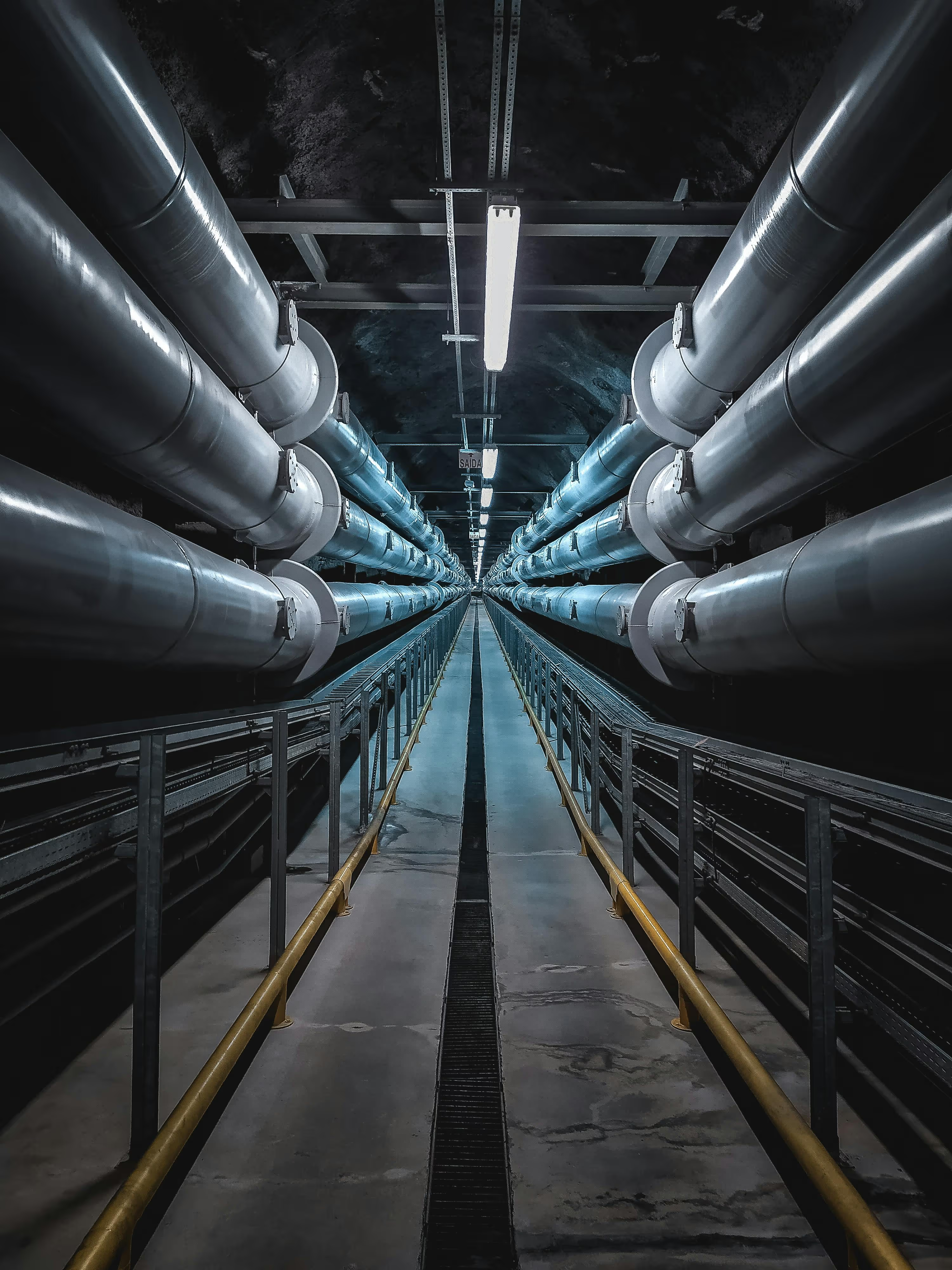
Effective systems typically aim to:
Why It’s Becoming More Important
Urbanization
Infrastructure
Pressure
High-Performance Biofiltration
- Modular systems like biofiltration units provide rapid, repeatable installation while delivering strong pollutant removal.
Hydrodynamic Separation & Advanced Filtration
- Devices that capture sediment, trash, oils, and nutrients help meet water-quality-based effluent limits (WQBELs) and keep pollutants out of receiving waters.
Underground Detention and Infiltration
- Modular underground systems maximize storage without sacrificing buildable land—ideal for urban lots and redevelopment sites.
Smart Monitoring & Flow Control
- Automated structures allow real-time adjustments, optimizing storage, improving water quality outcomes, and reducing manual maintenance.
Permeable Surfaces & Green Infrastructure
- Solutions such as permeable pavers, vegetated systems, and erosion control products help reconnect developments with the natural water cycle.
A More Resilient Future
Stormwater management is no longer a check-the-box requirement—it’s a defining feature of sustainable development. From protecting communities to enhancing water quality to supporting green infrastructure goals, modern stormwater solutions are helping engineers design spaces that work with nature rather than against it.