Case Study
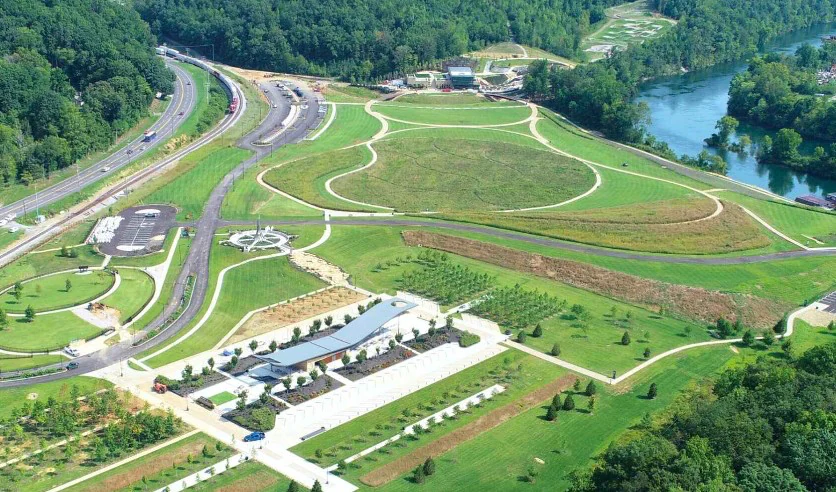
Aspire Park
Reinforced Turf System Delivers Natural Aesthetics with Heavy-Use Durability

Project Overview
Type
Erosion Control
Slope Stabilization
Highway Infrastructure
PRODUCT USed
Ero-Guard EG-2X-NN Erosion Control Blanket
Date
2025
Project Size
NA
PARTNERS
Minnesota Department of Transportation
Erosion Control
Slope Stabilization
Highway Infrastructure
PRODUCT USed
Ero-Guard EG-2X-NN Erosion Control Blanket
Date
2025
Project Size
NA
PARTNERS
Minnesota Department of Transportation
Reconstruction along the MnDOT I-494 corridor between Richfield and Bloomington, Minnesota, required erosion control solutions capable of performing under some of the most demanding conditions found on active highway projects. Crews reshaped interchanges, rebuilt embankments, and stabilized steep slopes adjacent to wetlands, residential neighborhoods, and high-volume traffic lanes, all while maintaining strict compliance with state and environmental regulations. With limited work windows, aggressive grading schedules, and exposed soils vulnerable to stormwater and seasonal freeze-thaw cycles, the project demanded an erosion control system that could install quickly, hold aggressively, and protect newly seeded slopes without failure.
Challenging Site Conditions Along a Live Freeway
Grading operations exposed compacted clay loam and urban fill soils across long stretches of embankment, with slopes commonly reaching 3:1 and tightening to 2:1 in select locations. These soils retained moisture during extended wet periods yet shed runoff rapidly during intense summer storms, creating a high risk of surface erosion, rilling, and sediment transport. Passing traffic generated constant wind shear, while roadway splash-over introduced additional hydraulic stress along shoulders and slopes. Construction sequencing left little margin for corrective measures, as traffic remained active throughout the project and staging areas were constrained by barriers, pavement edges, and adjacent wetlands. Compliance with Minnesota Pollution Control Agency NPDES requirements prohibited sediment migration into nearby water resources, placing added pressure on erosion control systems to perform immediately and consistently from the moment of installation.
Challenge
Identifying Key Issues


01
Needed dual-use: lawn and vehicle support
02
Avoidance of impervious surfaces
03
Protection against soil compaction and rutting
04
Integration with natural park design
05
Stormwater infiltration over runoff
Innovative Solution 1
Structural
Turf Reinforcement
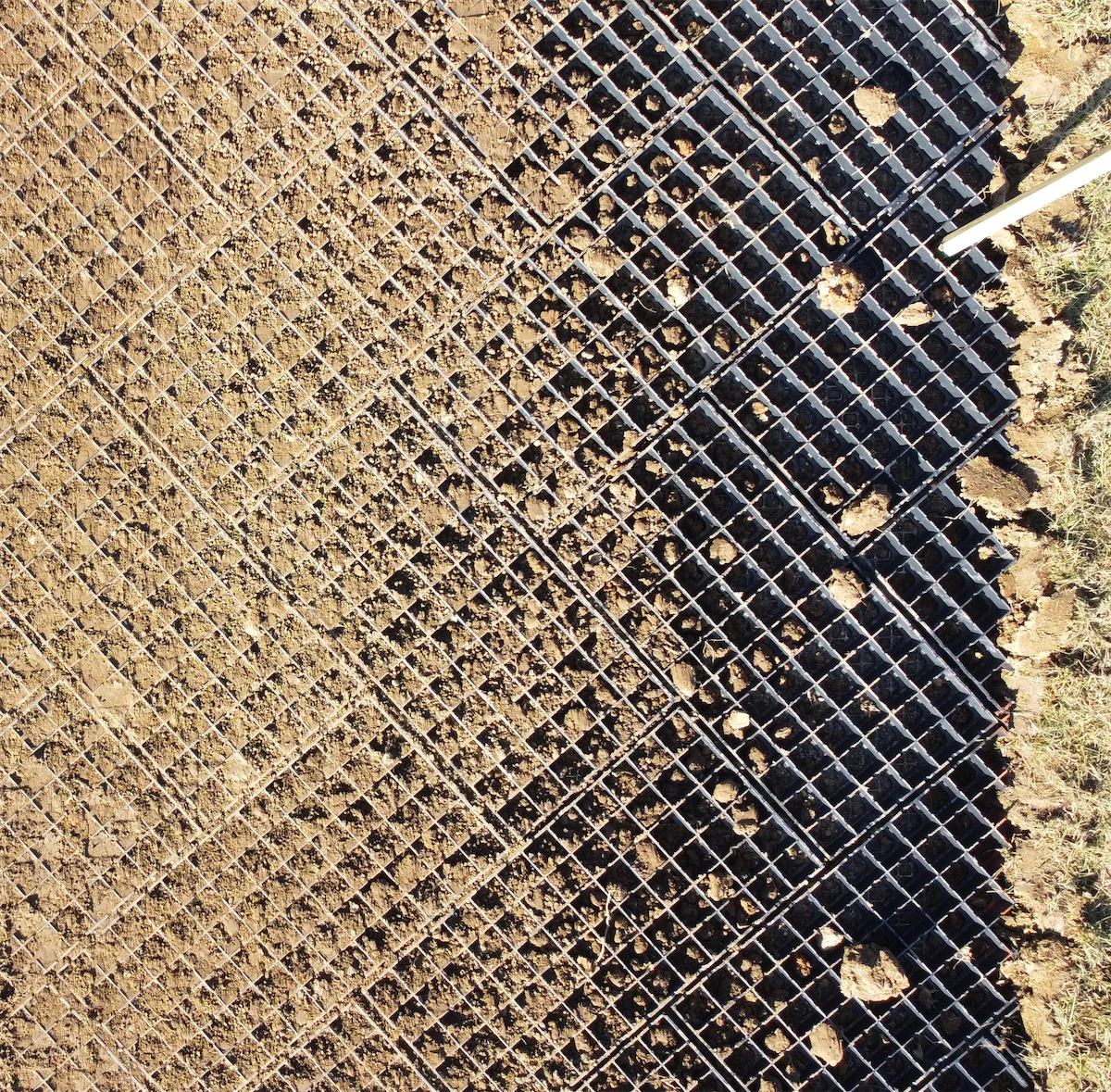
GEOBLOCK 5150 system delivered pavement-like strength invisibly beneath turf
Engineered base mix supported heavy loads while promoting root health
Created a clean, green look with no exposed hardscape
Enabled frequent use without damage or regrading
Innovative Solution 2
Green Infrastructure
Integration
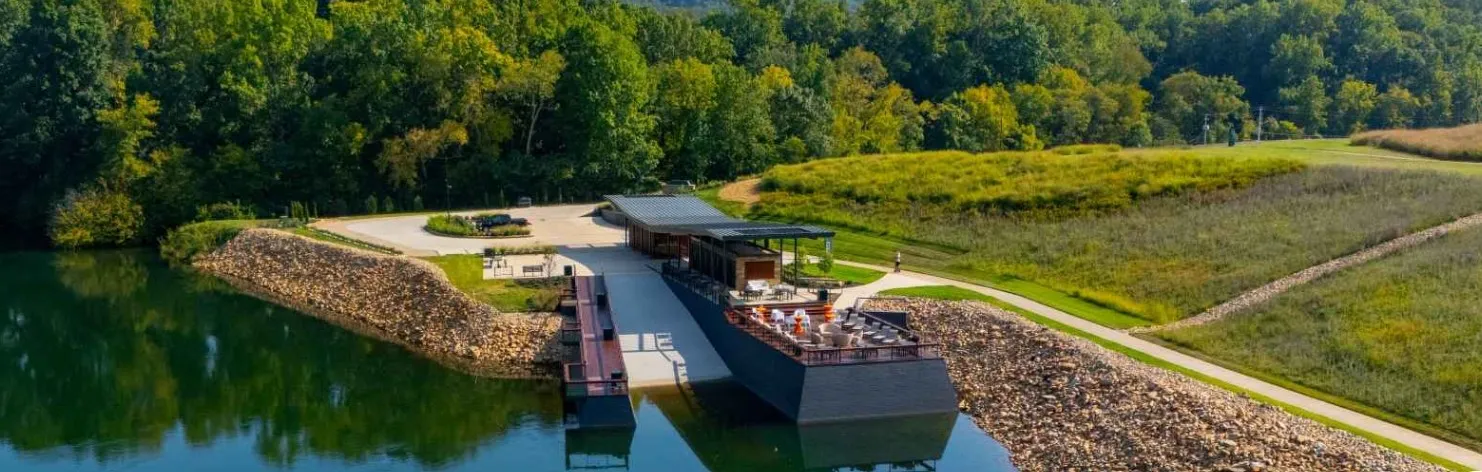
Permeable system allowed full-surface infiltration
Reduced runoff and eliminated stormwater infrastructure
Protected long-term turf health and soil quality
Supported sustainable design goals and low-impact development
Outcome
Aspire Park now offers a dual-purpose lawn that stays green, functional, and stormwater-friendly year-round. With Nexterra’s product expertise and Jen-Hill’s technical support, the project proves that reinforced turf can meet public-use demands without sacrificing aesthetics or sustainability.